Pool Fencing
Code-compliant pool fencing that keeps your family safe while maintaining your backyard's beauty and functionality.
Safety First, Style Second
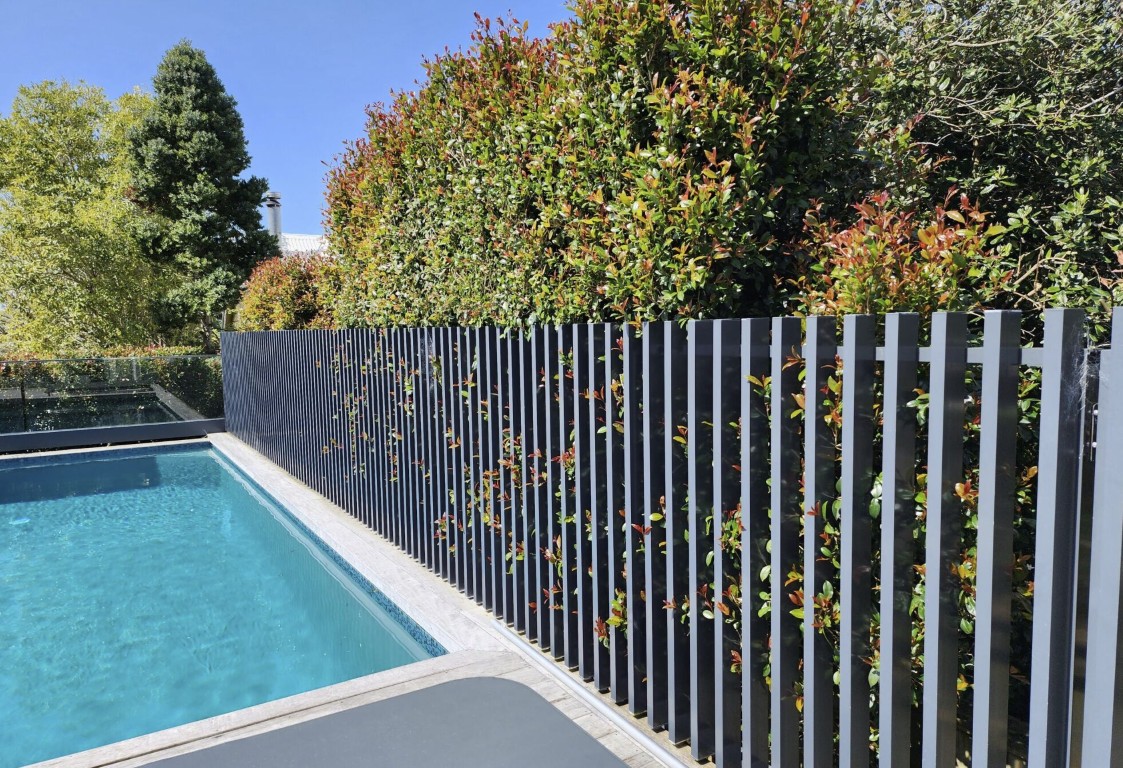
If you have a pool, you need proper fencing. It's not just a good idea, it's the law in California. Pool fencing prevents tragic accidents by keeping unsupervised children and pets away from the water. But safety doesn't mean your backyard has to look like a fortress. Modern pool fencing combines code compliance with attractive designs that enhance your outdoor space.
We specialize in pool fence installation throughout Bell Gardens, CA, and we know every requirement inside and out. From height regulations to gate specifications, we handle all the details so your fence passes inspection the first time. More importantly, you get peace of mind knowing your loved ones are protected by a fence that meets the highest safety standards.
California Pool Fence Requirements
California has strict pool fencing codes designed to prevent drowning accidents. Understanding these requirements ensures your fence keeps your family safe and avoids costly compliance issues:
- Minimum height of 5 feet from ground level
- No gaps larger than 4 inches between vertical bars or pickets
- Gates must be self-closing and self-latching
- Latch must be at least 54 inches from ground or on pool side
- Fence must completely enclose the pool area
- No climbable objects within 3 feet of fence exterior
- Gates must swing away from the pool
- Mesh fencing must meet specific strength requirements
These rules exist for good reason. Every year, children drown in residential pools that lack proper barriers. We take pool safety seriously and build every fence to exceed minimum code requirements. Your fence will be inspected during installation, and we guarantee it passes.
Best Materials for Pool Fencing
Not all fence materials work well around pools. You need something that resists moisture, doesn't rust or rot, and maintains its appearance in humid conditions. We recommend three main options. Aluminum fencing is our top choice for most pool installations. It looks elegant, never rusts, meets all safety codes, and lasts for decades with zero maintenance.
Vinyl or PVC fencing works great for pool enclosures when you want more privacy. It won't rot, warp, or fade in wet environments. Glass panels offer an ultra-modern look with unobstructed pool views, though they cost more and require regular cleaning to remove water spots. We can also build custom pool fencing that combines materials, like aluminum with decorative glass inserts.
Wood fencing around pools is possible but requires extra maintenance. Constant moisture exposure leads to faster deterioration unless you choose rot-resistant wood like cedar and seal it regularly. Most homeowners prefer aluminum or vinyl to avoid the upkeep. We'll show you samples and discuss which material fits your budget, maintenance preferences, and aesthetic goals.
Pool Fence Installation Process
Installing pool fencing requires precision and knowledge of local codes. Here's how we handle your project. First, we measure your pool area and check for any obstacles like equipment, landscaping, or underground utilities. We design a fence layout that maximizes safety while preserving access to your pool equipment.
Next, we obtain any required permits and schedule inspections. We set posts in concrete for maximum stability, ensuring they're perfectly plumb and properly spaced. Panels or pickets are installed to exact specifications with no gaps that violate code. Gates receive special attention because they're the most critical safety component.
We install commercial-grade self-closing hinges that work smoothly for years. The self-latching mechanism is positioned at the correct height and tested repeatedly to ensure reliable operation. Before we leave, we walk you through proper gate operation and maintenance. Most pool fence installations are completed in one to two days, and we schedule the final inspection to verify code compliance.